Contra Costa County, nestled in the East Bay region of Northern California, offers far more than its picturesque landscapes and growing suburban communities. Its history is layered with stories of Native American cultural heritage, Spanish exploration, agricultural development, and industrial innovation. From its early days as part of a Spanish land grant to its modern status as a vibrant cultural and economic hub, the county’s evolution mirrors the broader story of California itself. Contra Costa County, nestled in the East Bay region of Northern California, offers far more than its picturesque landscapes and growing suburban communities. Its history is layered with stories of Native American cultural heritage, Spanish exploration, agricultural development, and industrial innovation. From its early days as part of a Spanish land grant to its modern status as a vibrant cultural and economic hub, the county’s evolution mirrors the broader story of California itself.
Indigenous Roots and Early Settlers
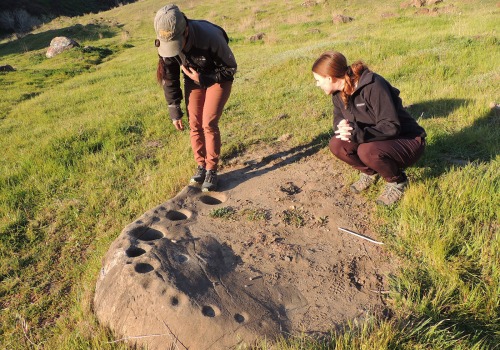
Long before European contact, the land we now call Contra Costa was home to several Native American tribes, including the Bay Miwok and Ohlone peoples. These indigenous groups thrived off the area’s natural resources—hunting game, gathering acorns, and fishing in the abundant streams and bays. Their cultural practices, social structures, and spiritual beliefs formed a deep connection to the land that can still be felt today, especially in preserved shell mounds and oral histories passed down through generations.
When Spanish missionaries and explorers arrived in the late 18th century, the landscape of Contra Costa began to shift dramatically. Missions and ranchos were established, often displacing Native communities. This period marked the beginning of European agricultural practices in the area, with cattle grazing and crop farming becoming dominant economic activities.
Growth Through the Gold Rush and Railroad Era
The mid-1800s brought explosive growth to Contra Costa County, thanks to the California Gold Rush and the expansion of the railroad. While gold was never found in large quantities here, the influx of settlers created new towns, trade routes, and economic opportunities. Martinez, one of the county’s oldest towns, became a key shipping hub and is even rumored to be the birthplace of the martini cocktail.
Rail lines and waterways further connected the region, enabling the export of agricultural products like wheat, fruit, and walnuts. These developments laid the groundwork for a thriving industrial sector in the 20th century, including oil refining in Richmond and shipbuilding during World War II. These industries brought waves of migration and helped shape the diverse, working-class communities still present in cities across the county.
Everyday Trades in Historical Context
Often overlooked in grand historical narratives are the everyday trades that supported the county’s growth. Blacksmiths, carpenters, cobblers, and—yes—even plumbers in Livermore played essential roles in building out the infrastructure of modern towns. While Livermore is located just outside Contra Costa in neighboring Alameda County, it shares many economic and cultural ties with the region. These skilled tradespeople were vital in constructing everything from rail stations to early indoor plumbing systems that transformed daily life.
Preserving and Celebrating Local History
Today, Contra Costa County honors its diverse past through museums, heritage sites, and community programs. The John Muir National Historic Site in Martinez pays tribute to the famed naturalist and his contributions to conservation. The Richmond Museum of History showcases the city’s pivotal role in WWII shipbuilding. Meanwhile, historic downtown areas in Walnut Creek, Concord, and Antioch feature preserved architecture that tells the story of changing times.
A Living History
Contra Costa’s history isn’t confined to the past—it lives on in the people, landmarks, and traditions that continue to evolve. Whether you’re walking through the oak-studded hills or attending a local cultural festival, you're participating in a story that stretches back centuries. Understanding and appreciating this history enriches not just the county's identity, but its path forward as a vibrant, inclusive community.